If you’re worried about dental implants pain after surgery, this post explains what’s normal, how to manage discomfort, and when to call your dentist. Expect some soreness after implant surgery, but most pain is temporary and manageable. Read on for clear day-by-day expectations, safe home care, warning signs, and practical next steps.
What to expect in the first 24–72 hours
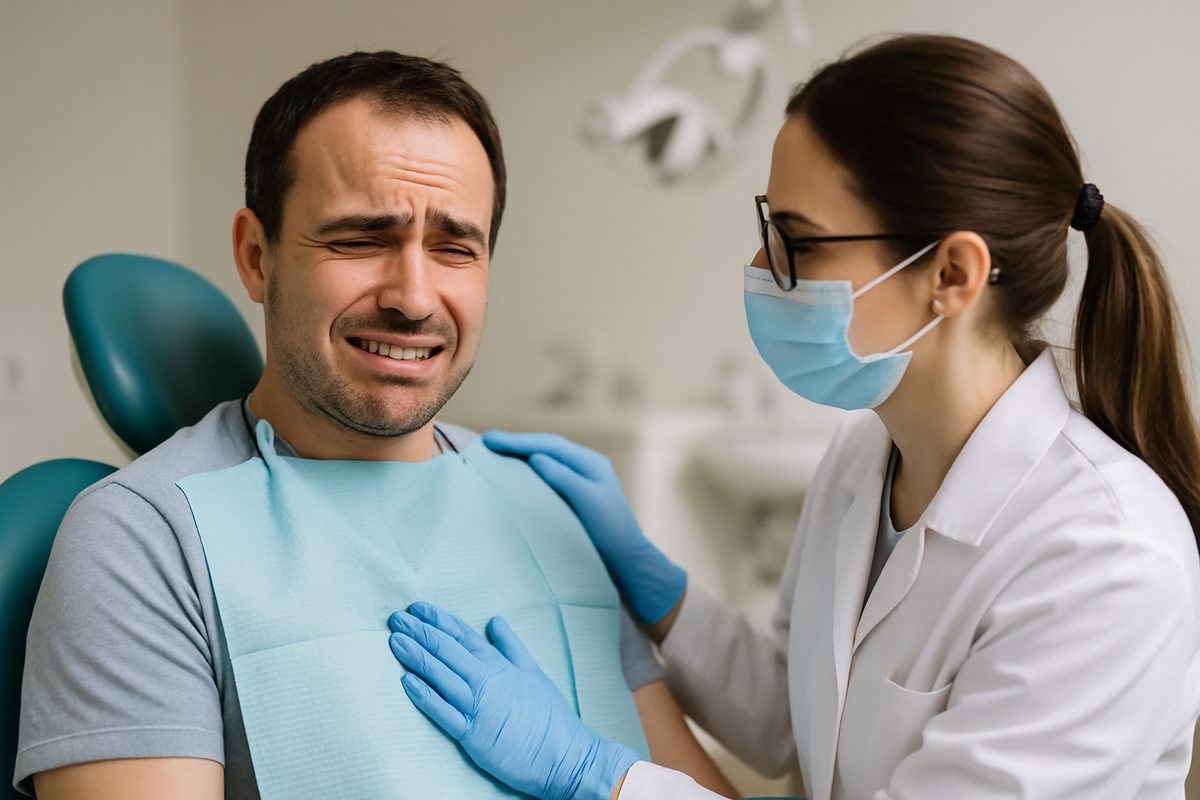
Right after surgery you can expect moderate pain that usually peaks within 24–48 hours. Common immediate symptoms include swelling around the jaw, minor bleeding or oozing, and possible bruising on the face. Discomfort is often highest the first day and should get better each day with rest, medication, and basic wound care.
Why dental implants pain after surgery happens
Pain after implant surgery is a normal response to tissue healing. Common causes include:
- Surgical trauma to the gums and underlying bone during implant placement.
- Inflammation as the body begins to repair tissue.
- Extra soreness if a bone graft or sinus lift was done with the implant.
- Temporary nerve irritation near the surgical site.
Some soreness shows your body is repairing itself. Severe or worsening pain, however, is not normal and needs attention.
Typical pain timeline: day-by-day and longer-term
Day 0–2
Pain and swelling are usually at their worst. Pain can be controlled with prescribed or over-the-counter medication, ice packs, and rest. Keep activity low and follow your dentist’s instructions.
Day 3–7
Most patients see noticeable improvement. Swelling drops, bruising fades, and pain becomes mild or intermittent. You should be able to return to light activities. Continue soft foods and careful oral hygiene.
Week 2–12
Gum tissue continues to heal and bone integration begins. Mild tenderness or pressure is normal, but sharp, increasing, or new pain should be checked by your dentist.
Safe at-home pain management
Medications and timing
Follow your dentist’s medication plan exactly. Common approaches combine anti-inflammatory drugs (like ibuprofen) with appropriate pain relievers. Do not mix prescriptions or take other medications without checking with your clinician.
Practical measures
- Use cold packs on the cheek for 15–20 minutes on and off for the first 48 hours.
- Eat soft, nutritious foods and avoid chewing directly on the surgical side.
- Avoid heavy lifting, bending, or vigorous exercise for several days.
- Keep your head elevated while sleeping to reduce swelling.
- Begin gentle rinsing with warm salt water 24 hours after surgery, as instructed.
Signs pain is NOT normal — when to contact your dentist right away
Contact your dentist or seek emergency care if you notice:
- Pain that gets worse after 72 hours instead of better.
- Fever or chills that suggest infection.
- Thick pus, a bad taste or smell, or increasing redness around the site.
- Excessive or uncontrolled bleeding.
- New or worsening numbness that doesn’t improve.
- The implant feels loose or mobile.
- Severe swelling that interferes with breathing or swallowing.
How to reduce the chance of severe post-op pain before your procedure
Prepare before surgery to lower the risk of heavy pain:
- Follow fasting and medication instructions from your dentist.
- Stop smoking before and after surgery to improve healing.
- Share your full medical history and medication list with the team.
- Discuss sedation options if you’re anxious — conscious sedation can make the day easier.
- Ask whether bone grafts or sinus lifts are planned, as these can increase soreness after surgery.
How Koplon Implant & Family Dentistry supports a comfortable recovery
Koplon Implant & Family Dentistry focuses on comfortable, technology-driven implant care. The practice offers in-house restorative work and same-day lab services that reduce visits and help with predictable outcomes. Both Dr. Scott Koplon and Dr. Adam Koplon have extensive implant training and provide sedation options when needed to minimize stress during surgery. Routine post-op follow-ups help monitor healing and address any pain early.
If your procedure involved front dental implants in Leeds, AL, the team will give specific aftercare instructions tailored to front tooth placement, where appearance and feel are especially important.
When to call Koplon Dentistry — practical next steps
- Call the office right away if you have any red-flag signs listed above.
- For severe symptoms after hours, use the emergency contact provided at your appointment.
- Bring photos or notes about symptoms to follow-up visits to help the team assess changes.
- Keep scheduled post-op appointments so your provider can check healing and remove sutures if needed.
Mild pain after implant surgery is normal and usually improves each day with proper care. If pain worsens or you see any concerning signs, contact Koplon Implant & Family Dentistry promptly. For questions about front dental implants in Leeds, AL or to schedule a follow-up, call the office or use the emergency contact after hours.